Neo Vamps
From Stereotype to the Rise of Dangerous, Complex Fem Characters
The Neo Vamps are complex and morally ambiguous. These modern figures explore themes of justice, survival, and control within a world that is still dominated by patriarchal norms. The old school vamps were already at the forefront of emancipation because they were actresses and artists who transcended the director’s and audience’s fantaisies with their out-of-this-world charisma and physicality. But these 3 last decades brought realism, nuance and a a closer look into the psychology of the dangerous fem characters.
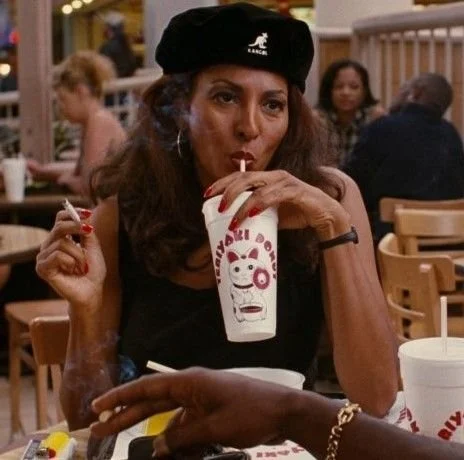
Pam Grier, Jackie Brown, 1997
In this Tarantino film, where gangsters ramble endlessly without saying much, Jackie Brown (Pam Grier) opts for discretion and mystery. A low-paid flight attendant, she supplements her income by smuggling cash for an arms dealer. She counters the impulsive, violent gangsters with a calm, calculating personality that allows her to manipulate every other character and completely overturn the balance of power. She proves to be a far better scammer—and a serious threat to these men—while maintaining a cool, understated composure that is a source of delight for the audience.
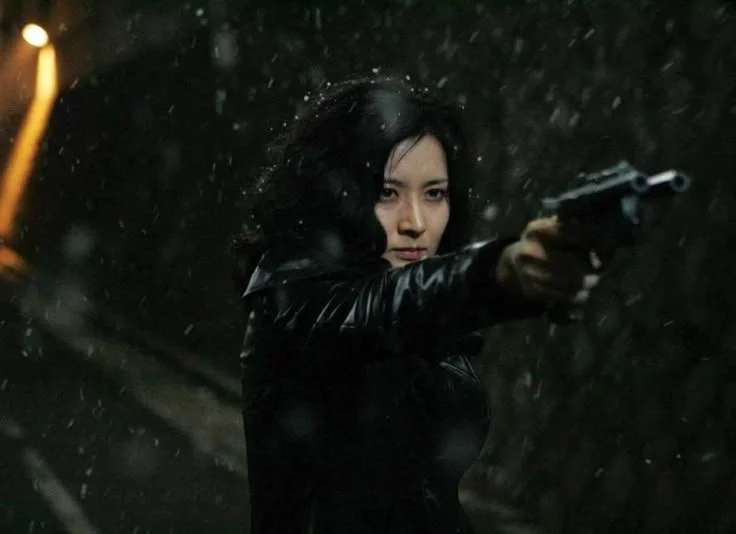
Lee Young-ae, Sympathy for Lady Vengeance, 2005
Lee Young-ae plays Geum-ja in Sympathy for Lady Vengeance, the final chapter of Park Chan-wook’s Vengeance Trilogy. The protagonist has spent thirteen years in prison after being falsely accused of kidnapping and murdering a child. During that time, she meticulously prepared her revenge, and upon her release, she coldly carries out her plan to kill the true culprit. This transforms her into an allegory of justice itself, in contrast to a flawed legal system incapable of addressing the victims’ need for reparation after violent crimes. Yet Geum-ja is an ambiguous character—at times resolute, at others consumed by doubt and guilt. The beauty and innocence of her face clash strikingly with the tragedies she has endured and the darkness of her undertaking.
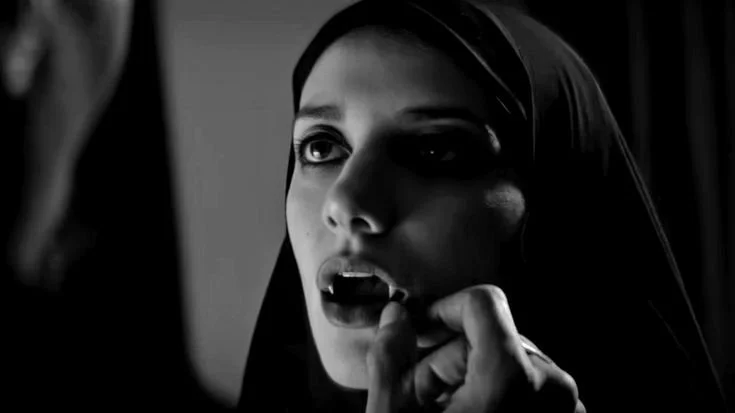
Sheila Vand, A Girl Walks Home Alone at Night, 2014
This movie by Ana Lily Amirpour depicts a teenage vigilante in the city of Bad City. By blending genres such as film noir, horror, and the superhero movie, the director creates a vampire character who hunts men at night and turns them into her prey. The young woman glides on her skateboard, wearing a chador (which also recalls a superhero’s cape), through empty streets where she stalks men guilty of violence. The notion of solitude is central here, as it completely reverses the universal fear experienced by women walking home alone at night. Here, she is alone—but she prowls, reclaiming the streets as her hunting ground.
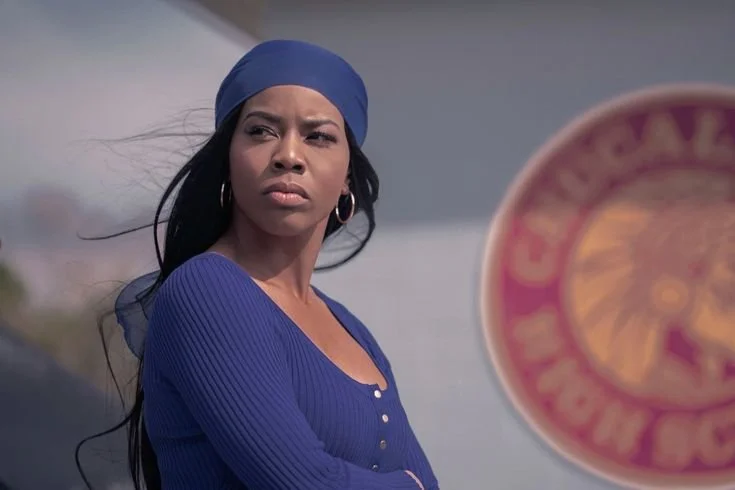
Brandee Evans, P-Valley, 2020
A stripper at the Pink, a club in a fictional small town in Mississippi, Mercedes draws crowds thanks to her impressive skills as a dancer and showgirl. The series begins at the moment when she wishes to retire: she is considered an “OG,” as evidenced by the respect she receives from customers, the close relationships she has formed with the other dancers, and the fact that her manager views her as indispensable. Her character embodies the femme fatale: she wields immense power over clients and knows how to manipulate them, and she also has significant influence in her town, since everything is known at the club. However, her family problems make her deeply vulnerable and the obstacles she’s going to encounter adds depth and nuance to her character’s development.

Agathe Rousselle, Titane, 2021
In Titane, Agathe Rousselle plays Alexia, a go-go dancer by day and a serial killer by night. Alexia is fascinating because she seems to feel little to no empathy, and it is rare to see female characters on screen who are largely devoid of sentimentality. Her androgynous appearance—accentuated by the need to disguise herself as a firefighter to hide from police—is far removed from traditional femme fatale stereotypes. Yet she is murderous, in an extremely raw and brutal way, which is depicted through body horror, a genre particularly favored by director Julia Ducournau, and rendered with disturbingly graphic detail. Her need to kill (an integral part of her s3xu4l!ty) forces us to question our relationship to domination and to our own impulses, through a style of direction that encourages intense identification.
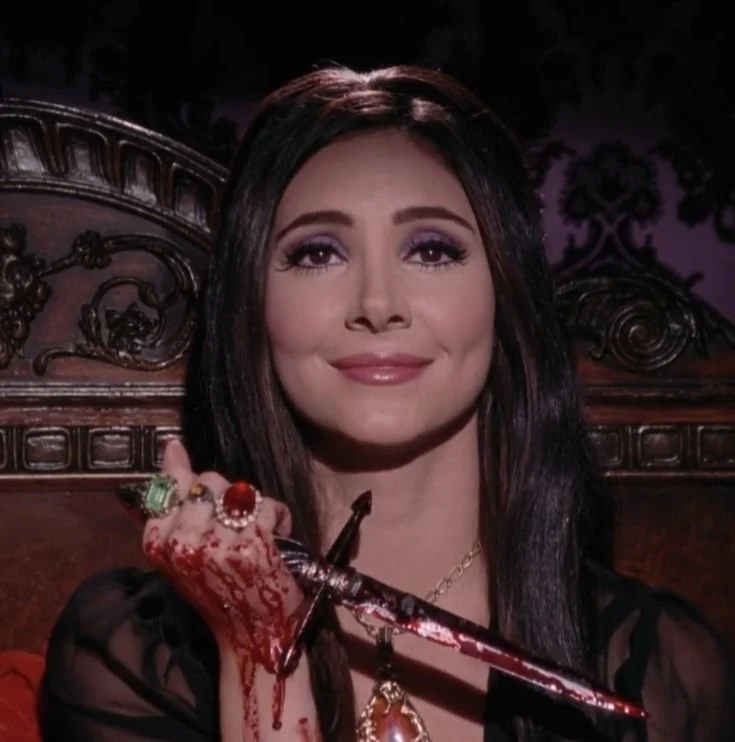
Samantha Robinson, The Love Witch, 2016
After the death of her husband, Elaine moves to California with an obsessive desire to find “the right person.” Her mind is filled with fantasies about romantic partnership, and she uses witchcraft to make her targets fall for her. Paradoxical, this heroine alternates between exaggerated displays of emotion and actions carried out with extreme coldness. Beneath her flawless, prim exterior lies a dangerous fixation.
Her addiction to new conquests is the symptom of this curse: if they grow attached, she becomes bored; if they grow bored, she suffers. Her quest for love—one she is incapable of fulfilling—gradually comes to resemble a murderous form of misandry.
Through an ultra-polished, timeless aesthetic inspired by Italian giallo films, The Love Witch offers a cynical feminist critique of relationships between men and women. Men, portrayed as little more than empty shells, are cut down by Elaine, whose inextinguishable thirst for love is ultimately a pathology produced by a system that reduces her to her physical appearance.